-
 May , 15 2026
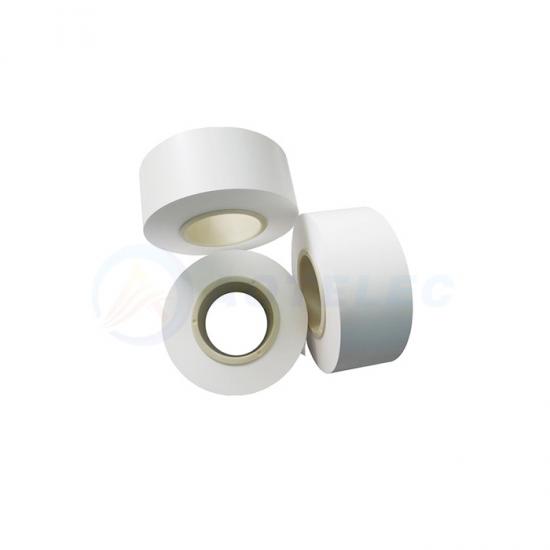
1.What is a battery separator? The battery separator is a core high-polymer porous film component inside lithium batteries, located between the positive and negative electrodes, with a thickness of only 4-20 microns. It is mainly made of polyethylene (PE), polypropylene (PP), or PP/PE composite materials as the base material, and is processed into a uniform microporous structure through wet phase ...
View More
-
 May , 21 2026
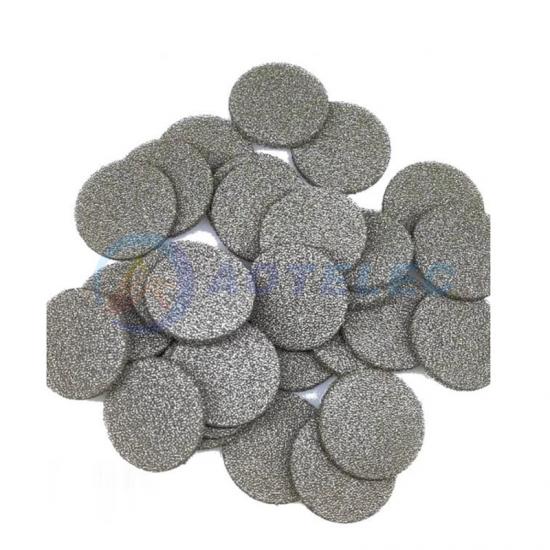
Against the backdrop of accelerating global energy transition to green and low-carbon development and continuous breakthroughs in new energy technologies, high-performance porous metal materials represented bynickel foam have become core foundational materials in batteries, hydrogen energy, environmental protection, industrial heating and other fields thanks to their unique structural advantages a...
View More
-
 Jun , 25 2026
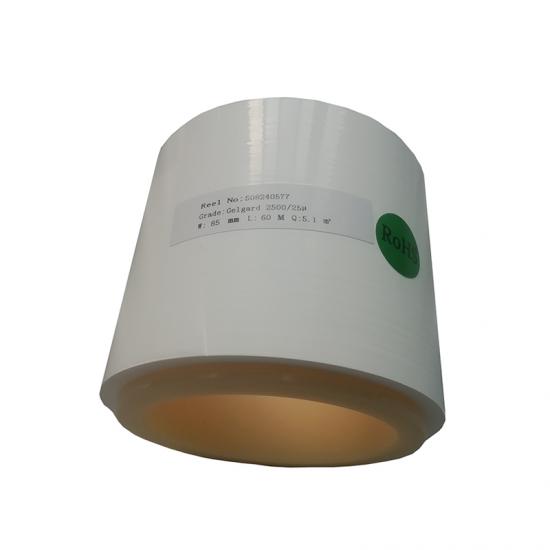
The global new energy industry is expanding at a rapid pace, with surging demand for power batteries, energy storage systems and 3C consumer electronics lithium-ion batteries. As the core energy storage carrier, lithium-ion batteries’ safety, cycle life and fast-charging performance have become the focal point of competition across the industrial chain. As a core inner material that separates posi...
View More
-
 Jul , 23 2026
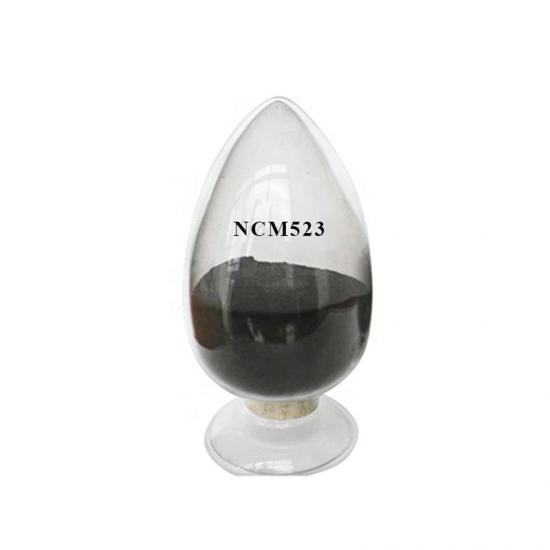
Lithium-ion batteries (LIBs) dominate modern energy storage, powering consumer electronics, electric vehicles (EVs), and grid-scale systems. Cathode materials determine energy density, cycle life, cost, and safety, among which lithium nickel manganese cobalt oxides (LiNiₓMnᵧCo_zO₂, NMC) stand out as the most widely adopted layered oxides. The NMC cathode precursor—typically nickel-manganese-cobalt...
View More
-
 Jul , 31 2026
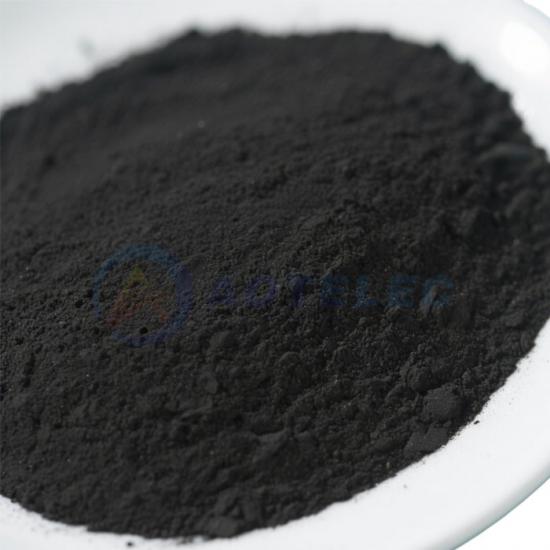
Sodium-ion batteries (SIBs) are regarded as a promising low-cost alternative to lithium-ion batteries for large-scale energy storage. Hard carbon (HC) is the most practical anode material for SIBs, because graphite cannot accommodate sodium ions effectively. Kuraray KURANODE™, a commercial biomass-derived hard carbon, has become a widely adopted reference material in academic and industrial SIB re...
View More
-
 Aug , 14 2026
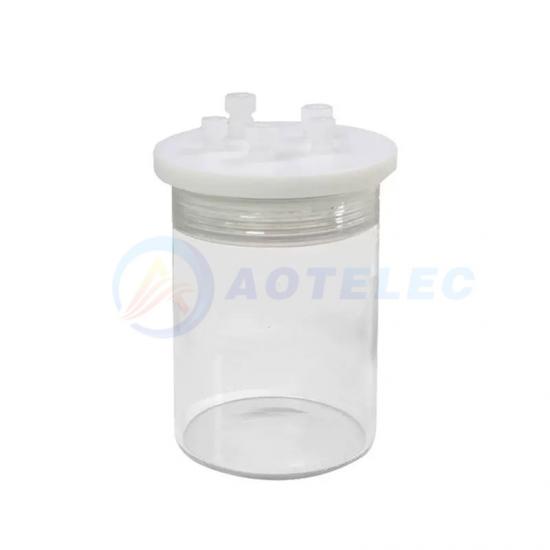
Recently, a three-electrode sealed electrolytic cell tailored for full-scenario laboratory electrochemical testing has completed the iteration of its full-size lineup and officially launched on the market. Targeting long-standing industry pain points in research fields including new energy materials, electrocatalysis, corrosion analysis and environmental electrochemical detection—such as poor seal...
View More
-
 Aug , 21 2026
At the heart of every lithium-ion battery lies a component that rarely makes headlines but determines whether a device powers on safely — or risks catastrophic failure. The battery separator, a microporous insulating film positioned between the anode and cathode, performs the deceptively simple task of preventing electrical short circuits while enabling lithium-ion transport. Yet as battery format...
View More
-
 Aug , 28 2026
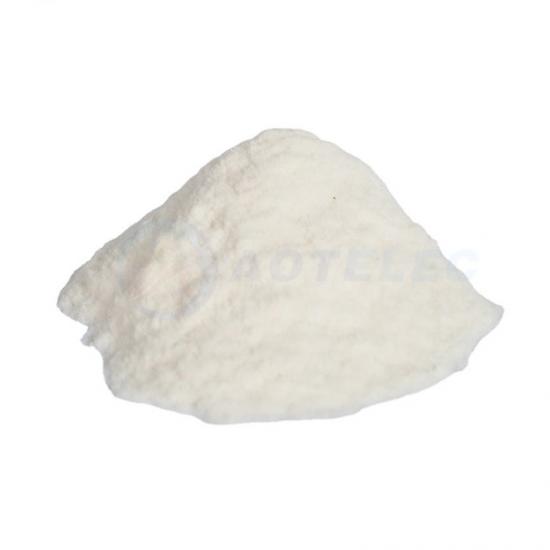
As new-energy lithium batteries rapidly evolve toward higher energy density, enhanced safety, and extended cycle life, the drawbacks of traditional liquid electrolytes—such as leakage, flammability, and poor low-temperature performance—are becoming increasingly evident. Solid-state electrolyte powders have thus emerged as a critical material for the industrialization of solid-state batteries. As t...
View More
-
 Sep , 03 2026
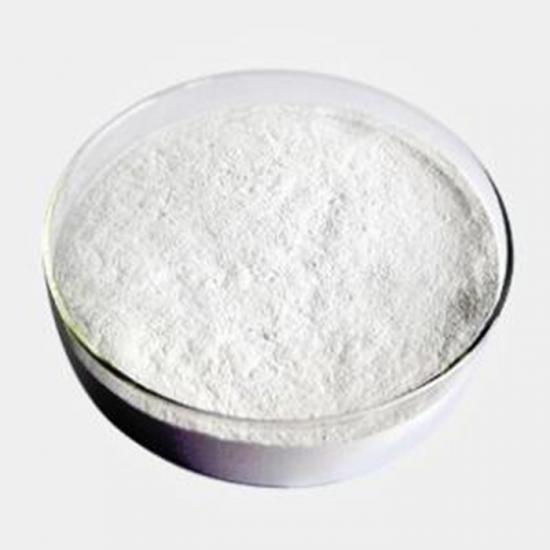
Lithium tetrafluoroborate (LiBF₄) powder is a core lithium salt material widely adopted in lithium-ion battery electrolyte systems. Structurally, it consists of lithium ions (Li⁺) and tetrafluoroborate anions (BF₄⁻), featuring excellent chemical stability and superior ionic conductivity. As a critical electrolyte functional material, LiBF₄ powder effectively optimizes electrolyte comprehensive per...
View More





 IPv6 network supported