-
Dec , 26 2025
Driven by the global "dual carbon" goals, the new energy industry is experiencing explosive growth. As the core energy storage carrier in the sector, lithium batteries rely on refined and efficient production processes to gain a competitive edge in the industry. Electrode processing is a pivotal link in lithium battery manufacturing, directly determining the battery’s energy density, cycle stabili...
View More
-
Jul , 31 2026
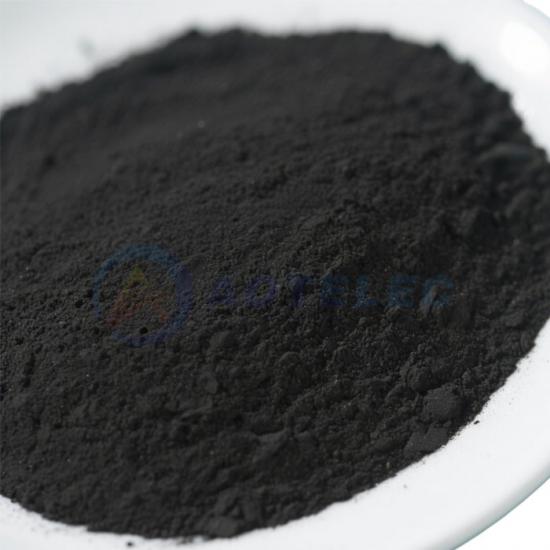
Sodium-ion batteries (SIBs) are regarded as a promising low-cost alternative to lithium-ion batteries for large-scale energy storage. Hard carbon (HC) is the most practical anode material for SIBs, because graphite cannot accommodate sodium ions effectively. Kuraray KURANODE™, a commercial biomass-derived hard carbon, has become a widely adopted reference material in academic and industrial SIB re...
View More
-
Aug , 14 2026
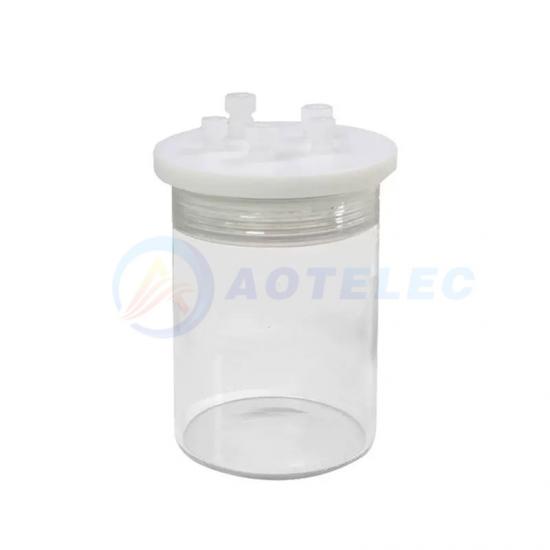
Recently, a three-electrode sealed electrolytic cell tailored for full-scenario laboratory electrochemical testing has completed the iteration of its full-size lineup and officially launched on the market. Targeting long-standing industry pain points in research fields including new energy materials, electrocatalysis, corrosion analysis and environmental electrochemical detection—such as poor seal...
View More
-
Sep , 18 2026
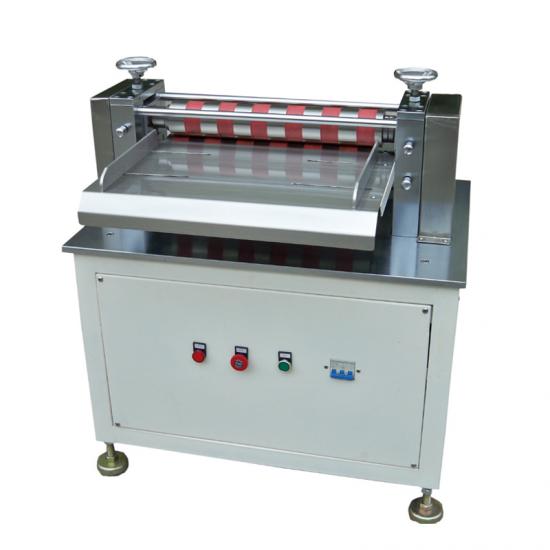
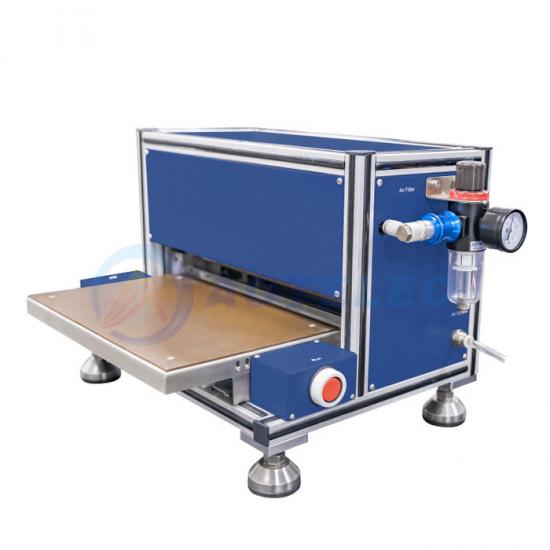
In the lithium-ion battery manufacturing process, electrode cutting is one of the most critical steps in the front-end stage, directly determining cell consistency, safety, and final product yield. Battery slitting machines are specialized roll-to-roll precision processing equipment designed to cut wide-format coated positive and negative electrode foils into narrow strips that meet various cell s...
View More