-
 Dec , 05 2025
Sodium-ion batteries (SIBs) have emerged as one of the most promising alternatives to lithium-ion batteries (LIBs) for large-scale energy storage and low-cost portable electronics, thanks to sodium’s abundant reserves, low cost, and similar electrochemical behavior to lithium. However, SIBs face critical challenges: the larger ionic radius of Na⁺ (1.02 Å vs. Li⁺’s 0.76 Å) leads to slower ion diffu...
View More
-
 Dec , 19 2025
This is a battery grade high-purity chemical precursor. Lithium oxide (Li2O) is a white powder, mainly designed for synthesizing various lithium based solid electrolytes, and is one of the core materials for developing the next generation of solid-state batteries. Lithium oxide (Li2O) is highly hygroscopic and quickly reacts with moisture in the air to form lithium hydroxide (LiOH). This...
View More
-
 Feb , 27 2026
Graphene oxide (GO) has evolved into a reliable platform for industrial innovation. For manufacturers and product developers, the focus is now on consistent, high-purity, single-layer material that integrates seamlessly into existing processes. Here is a quick look at what "95% purity" industrial-grade GO offers and why it matters. What the Specs Mean When we talk about 95% purity, we refer to two...
View More
-
 Apr , 30 2026
The global demand for high-performance, safe, and cost-effective energy storage solutions has never been greater, driven by the rapid growth of electric vehicles (EVs), renewable energy integration, and portable electronics. At the heart of every advanced lithium-ion battery lies the cathode material, which determines key performance metrics such as energy density, cycle life, safety, and cost. Am...
View More
-
 Jul , 10 2026
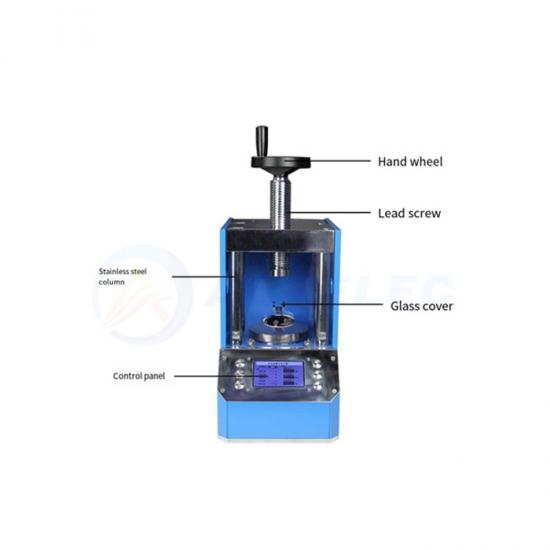
1.What is a battery powder press machine? A battery powder press machine is an essential core forming equipment in the research, development, and production of new energy batteries. Simply put, it is an industrial device that uses precisely controlled pressure to compress battery powder materials—such as cathode, anode, and solid electrolyte—into electrode sheets or green compacts with spec...
View More
-
 Jul , 23 2026
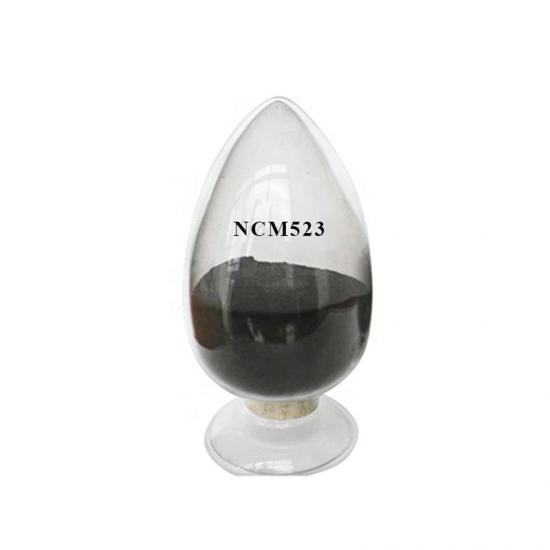
Lithium-ion batteries (LIBs) dominate modern energy storage, powering consumer electronics, electric vehicles (EVs), and grid-scale systems. Cathode materials determine energy density, cycle life, cost, and safety, among which lithium nickel manganese cobalt oxides (LiNiₓMnᵧCo_zO₂, NMC) stand out as the most widely adopted layered oxides. The NMC cathode precursor—typically nickel-manganese-cobalt...
View More
-
 Jul , 31 2026
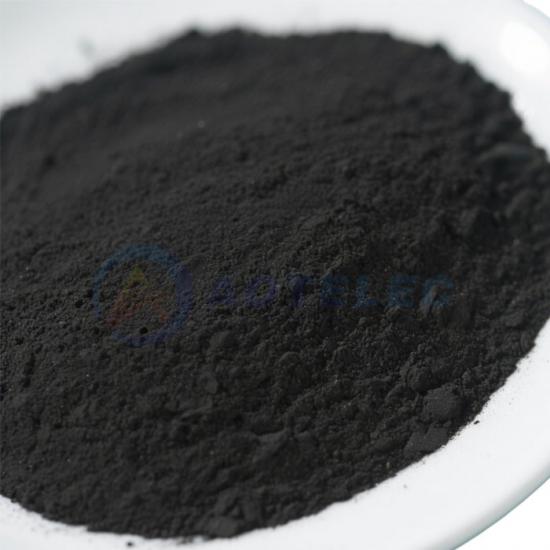
Sodium-ion batteries (SIBs) are regarded as a promising low-cost alternative to lithium-ion batteries for large-scale energy storage. Hard carbon (HC) is the most practical anode material for SIBs, because graphite cannot accommodate sodium ions effectively. Kuraray KURANODE™, a commercial biomass-derived hard carbon, has become a widely adopted reference material in academic and industrial SIB re...
View More
-
 Aug , 28 2026
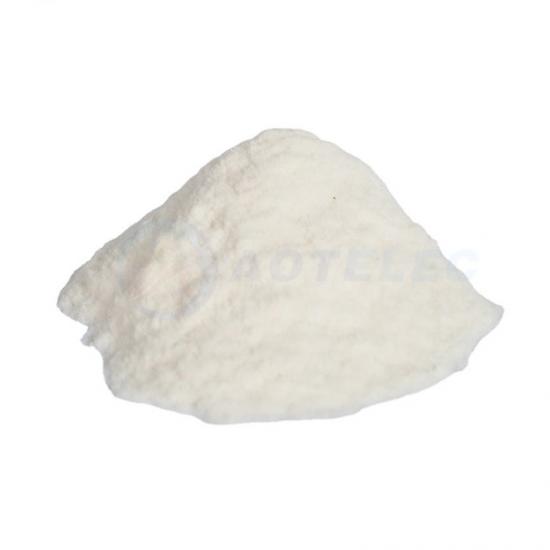
As new-energy lithium batteries rapidly evolve toward higher energy density, enhanced safety, and extended cycle life, the drawbacks of traditional liquid electrolytes—such as leakage, flammability, and poor low-temperature performance—are becoming increasingly evident. Solid-state electrolyte powders have thus emerged as a critical material for the industrialization of solid-state batteries. As t...
View More
-
 Sep , 03 2026
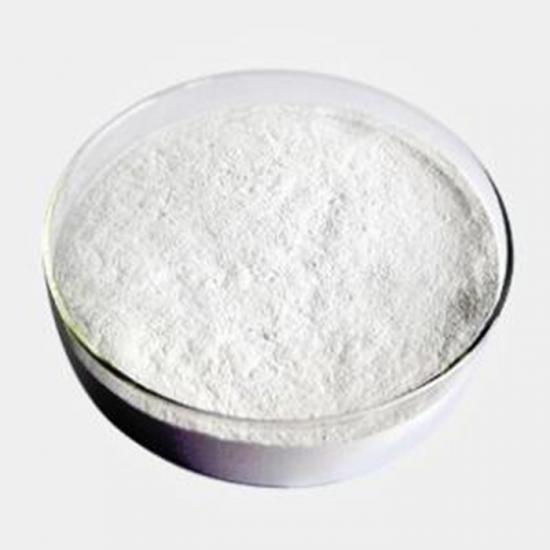
Lithium tetrafluoroborate (LiBF₄) powder is a core lithium salt material widely adopted in lithium-ion battery electrolyte systems. Structurally, it consists of lithium ions (Li⁺) and tetrafluoroborate anions (BF₄⁻), featuring excellent chemical stability and superior ionic conductivity. As a critical electrolyte functional material, LiBF₄ powder effectively optimizes electrolyte comprehensive per...
View More





 IPv6 network supported