-
 Aug , 21 2025
Structural Advantages and Energy Storage Potential of NVP NVP Na3V2(PO4)3 powder belongs to the family of sodium superionic conductor (NASICON) materials, and its unique crystal structure endows it with a host of excellent properties. The framework of the NASICON structure forms stable sodium accommodation sites, while its open three-dimensional ion transport channels facilitate the rapid intercal...
View More
-
 Sep , 19 2025
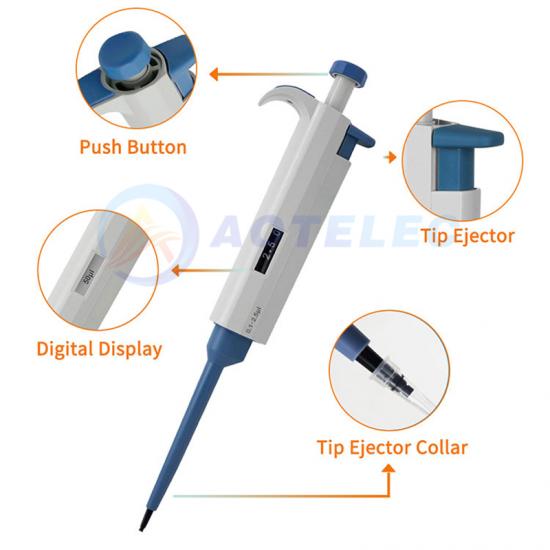
In the high-stakes race to develop longer-lasting, safer, and more efficient batteries—for electric vehicles (EVs), grid storage, and portable electronics—success often hinges on a tool so small it can fit in the palm of a hand: the battery electrolyte pipette. While headline-grabbing innovations like solid-state chemistries or silicon anodes dominate media coverage, these precision instruments qu...
View More
-
 Dec , 19 2025
This is a battery grade high-purity chemical precursor. Lithium oxide (Li2O) is a white powder, mainly designed for synthesizing various lithium based solid electrolytes, and is one of the core materials for developing the next generation of solid-state batteries. Lithium oxide (Li2O) is highly hygroscopic and quickly reacts with moisture in the air to form lithium hydroxide (LiOH). This...
View More
-
 Mar , 20 2026
With the rapid development of industrial technology, the reserves of non-renewable energy sources represented by fossil fuels have decreased sharply in recent years. There is an urgent need for a green and low-cost electrochemical energy storage technology to adapt to the rapid development of renewable energy and improve its utilization rate. Lithium-ion batteries (LIBs) have successfully been com...
View More
-
 Aug , 28 2026
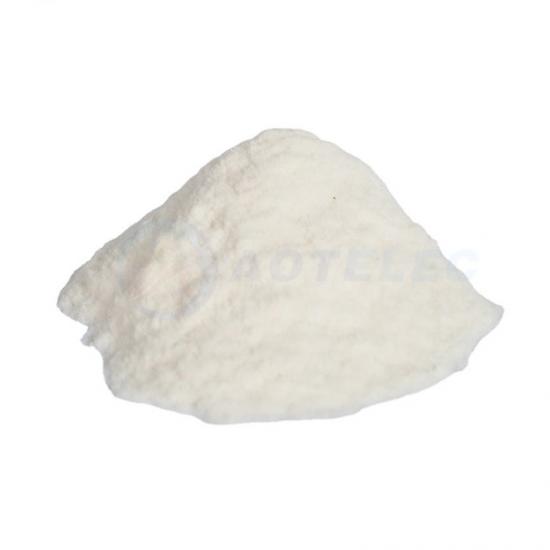
As new-energy lithium batteries rapidly evolve toward higher energy density, enhanced safety, and extended cycle life, the drawbacks of traditional liquid electrolytes—such as leakage, flammability, and poor low-temperature performance—are becoming increasingly evident. Solid-state electrolyte powders have thus emerged as a critical material for the industrialization of solid-state batteries. As t...
View More
-
 Sep , 18 2026
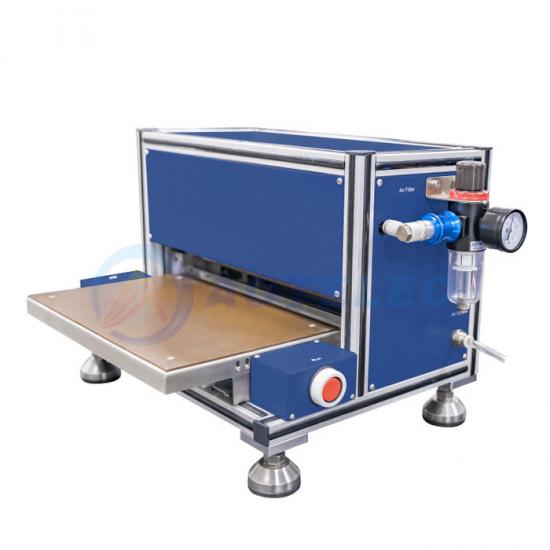
In the lithium-ion battery manufacturing process, electrode cutting is one of the most critical steps in the front-end stage, directly determining cell consistency, safety, and final product yield. Battery slitting machines are specialized roll-to-roll precision processing equipment designed to cut wide-format coated positive and negative electrode foils into narrow strips that meet various cell s...
View More





 IPv6 network supported