-
Jun , 26 2025
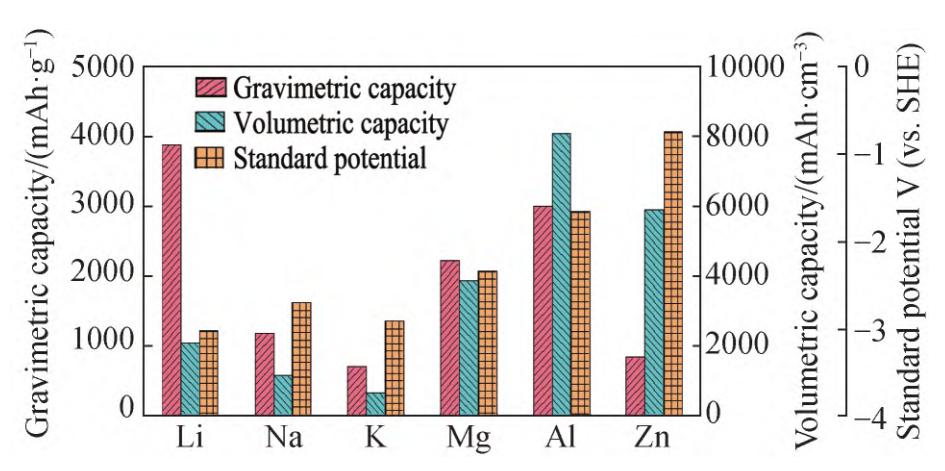
The existing secondary batteries have the characteristics of high energy density and good cycling performance. However, the commonly used organic electrolytes are toxic and flammable, which pose certain safety risks. Moreover, the existing electrode materials are limited in resources and have high costs, restricting their large-scale application in the energy storage field. Using water-based elect...
View More
-
Dec , 05 2025
Sodium-ion batteries (SIBs) have emerged as one of the most promising alternatives to lithium-ion batteries (LIBs) for large-scale energy storage and low-cost portable electronics, thanks to sodium’s abundant reserves, low cost, and similar electrochemical behavior to lithium. However, SIBs face critical challenges: the larger ionic radius of Na⁺ (1.02 Å vs. Li⁺’s 0.76 Å) leads to slower ion diffu...
View More
-
May , 15 2026
1.What is a battery separator? The battery separator is a core high-polymer porous film component inside lithium batteries, located between the positive and negative electrodes, with a thickness of only 4-20 microns. It is mainly made of polyethylene (PE), polypropylene (PP), or PP/PE composite materials as the base material, and is processed into a uniform microporous structure through wet phase ...
View More