

-
Call Us
+8619906035385 -
Email us
ping@aotbattery.com
Call Us
+8619906035385Email us
ping@aotbattery.com
The performance of lithium batteries is fundamentally determined by the synergistic effect of the four core materials: positive electrode, negative electrode, electrolyte and separator. The properties of these materials directly influence the energy density, safety and cycle life of the battery, and support the development of fields such as consumer electronics, new energy vehicles and energy storage.
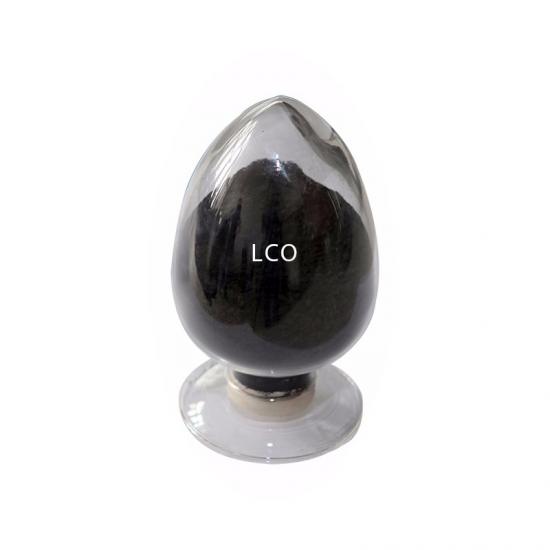
As the "energy supply center" of a battery, the cathode material determines the upper limit of performance. Lithium cobalt oxide (LCO) has long dominated the consumer electronics market, such as mobile phones, due to its high voltage platform and processing advantages. However, the scarcity of cobalt resources has pushed up costs. Lithium iron phosphate (LFP) has become the mainstream of power batteries with its ultimate safety and long cycle life (up to 2000-4000 times). Its cost is reduced by not containing precious metals, but it is limited by energy density. High-nickel ternary materials (NCM/NCA) have broken through the energy density of 280Wh/kg by increasing the nickel content, making them suitable for long-range electric vehicles. However, the stability and cost contradiction need to be balanced.
The anode material is responsible for the storage and release of lithium ions. Graphite remains the mainstream choice, while silicon-based and pure lithium anodes are the directions of technological breakthroughs. Silicon-based anodes improve the volume expansion problem through composite technology, and the energy density is expected to exceed 300Wh/kg. Pure lithium anodes extend the cycle life to more than 500 times and increase the energy density by 40% to 60% through the design of three-dimensional porous structures, and have entered the mass production test stage.
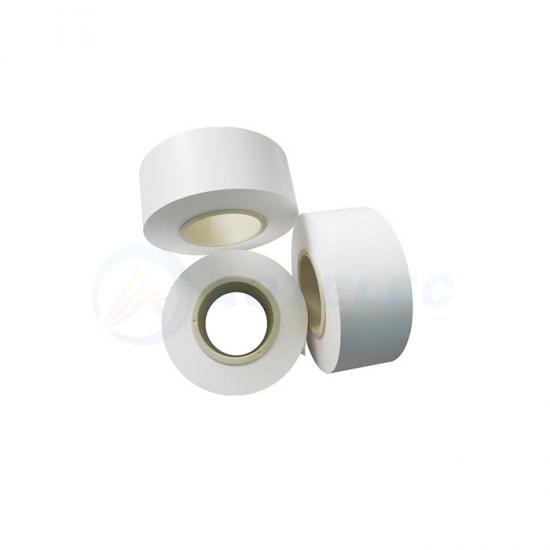
The electrolyte and separator form the "ion transport channel" of the battery. The electrolyte is composed of lithium salts, solvents and additives. Its ionic conductivity (8-12 mS/cm) directly affects the charging and discharging efficiency, and its high-temperature stability determines the safety boundary of the battery. The separator is mostly made of polyethylene porous film. The pores of 0.03-0.12 μm not only isolate the positive and negative electrodes to prevent short circuits, but also ensure the smooth migration of lithium ions. Optimizing the porosity can significantly improve the rate performance.
Currently, lithium battery materials are evolving towards higher energy density, lower cost and greater safety. Technologies such as cobalt-free cathodes, silicon-based composite anodes and solid-state electrolytes are making continuous breakthroughs, which not only alleviate resource dependence but also drive the performance upgrade of batteries. The innovation and collaborative optimization of these materials will inject core impetus into the sustainable development of the new energy industry. If you want to delve into the details of a certain type of material (such as the industrialization progress of silicon-based anodes) or a specific application scenario (material selection for energy storage batteries), please feel free to let me know and I will provide more focused analysis.

Tel/Whatsapp: +8619906035385

Friend link :
AOT BATTERY IPv6 network supported
Scan to wechat: