

-
Call Us
+8619906035385 -
Email us
ping@aotbattery.com
Call Us
+8619906035385Email us
ping@aotbattery.com
A versatile white powder is emerging as a critical component in the race toward cheaper, safer, and more sustainable energy storage.
In the rapidly evolving landscape of energy storage, sodium-ion batteries (SIBs) are gaining significant traction as a promising alternative to lithium-ion systems, offering advantages in cost and resource availability. At the heart of this technological shift lies a humble white powder—sodium difluorophosphate, or NaPO₂F₂—that is quietly revolutionizing battery performance from the inside out.
A Multifunctional Chemical with a Rich History
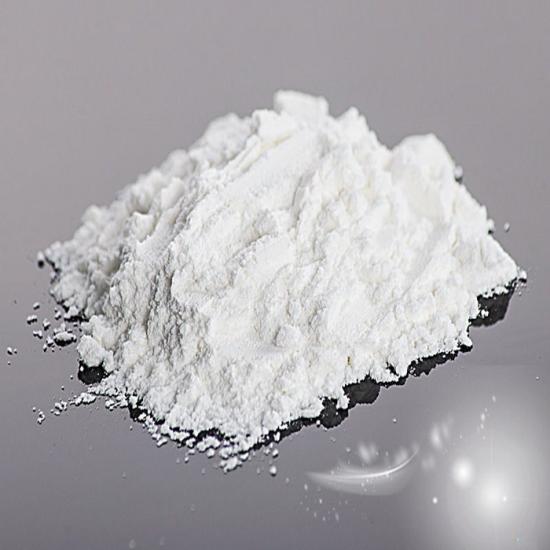
Sodium difluorophosphate (also known as NaDFP) is an inorganic fluorophosphate salt with the molecular formula F₂NaO₂P. A white, crystalline powder, it has long been recognized for its versatility across multiple industries. For decades, its close chemical relative, sodium monofluorophosphate (Na₂PO₃F), has been a familiar ingredient in toothpastes worldwide, serving as an anticavity agent to protect dental health. NaPO₂F₂ itself has also found applications in specialty glasses and as a corrosion inhibitor.
However, it is in the field of electrochemistry that NaPO₂F₂ powder is now making headlines.
A Breakthrough Additive for High-Voltage Batteries
One of the greatest challenges facing high-voltage sodium-ion batteries is the instability of the electrode-electrolyte interface, which severely limits cycle life and performance. Recent research has identified NaPO₂F₂ as a game-changing solution to this problem.
When used as a functional electrolyte additive, NaPO₂F₂ works synergistically with other components like fluoroethylene carbonate (FEC) to promote the formation of a robust, highly conductive protective layer on the electrode surfaces—known as the solid electrolyte interphase (SEI) and cathode electrolyte interphase (CEI). These layers, rich in inorganic compounds such as NaF and NaPOxFy, provide fast ion transport pathways and mechanical strength, effectively suppressing unwanted side reactions and electrolyte decomposition.
The results have been nothing short of remarkable. In one study, sodium-ion batteries incorporating NaPO₂F₂ demonstrated 93.9% capacity retention after 600 cycles at 4.3 V, showcasing exceptional cycling stability. Even more impressively, full cells achieved 91.69% capacity retention over 1,000 cycles at a 5C rate with a discharge capacity of 91.57 mA·h/g. Another study reported that NaNi₁/₃Fe₁/₃Mn₁/₃O₂||hard carbon pouch cells, when tested at 45 °C and 2.0–4.0 V, maintained an outstanding 96% capacity retention after 400 cycles.
These findings have positioned NaPO₂F₂ as an indispensable tool for enabling next-generation, high-energy-density sodium-ion batteries capable of operating under extreme conditions.
From Lab to Production Line
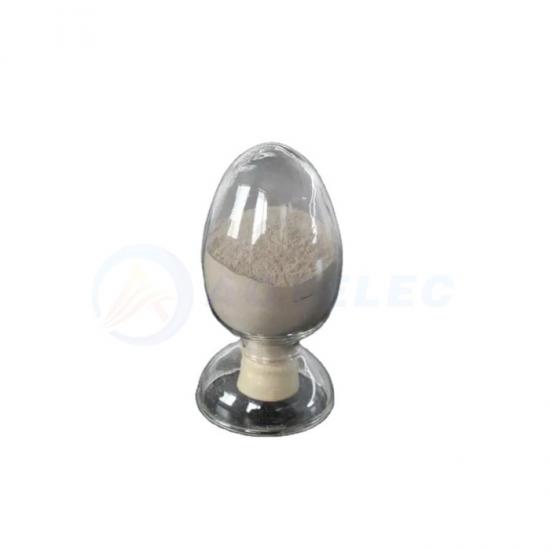
The promise of NaPO₂F₂ is not confined to academic laboratories. In a clear sign of commercial momentum, Jiujiang Tinci High-Tech Materials Co., Ltd. recently announced a 27.22 million yuan investment to expand its sodium electrolyte production capabilities. The project includes an additional 500 tonnes per annum of NaPO₂F₂ capacity, alongside sodium hexafluorophosphate (NaPF₆) and sodium bis(fluorosulfonyl)imide (NaFSI).
Industry experts note that these three specialty sodium salts form the core of the current sodium salt material system: NaPF₆ serves as the most widely commercialized primary salt, NaFSI represents the next-generation high-performance electrolyte salt, and NaPO₂F₂ functions as a critical functional additive that significantly enhances cycling stability and high-temperature storage performance. Together, they are driving comprehensive improvements in energy density, cycle life, and safety for sodium-ion batteries.
Looking Ahead
As the world accelerates its transition to renewable energy and electrification, the demand for affordable, sustainable battery technologies has never been greater. Sodium-ion batteries, with their abundant raw materials and lower costs, are poised to play a pivotal role—particularly in large-scale grid storage and electric vehicles.
And at the core of this revolution, the unassuming white powder of sodium difluorophosphate is proving that sometimes, the most powerful innovations come in the simplest packages. With ongoing research pushing the boundaries of its performance and commercial production scaling up to meet growing demand, NaPO₂F₂ is well on its way to becoming a cornerstone of the future energy storage industry.

Tel/Whatsapp: +8619906035385

Friend link :
AOT BATTERY IPv6 network supported
Scan to wechat: