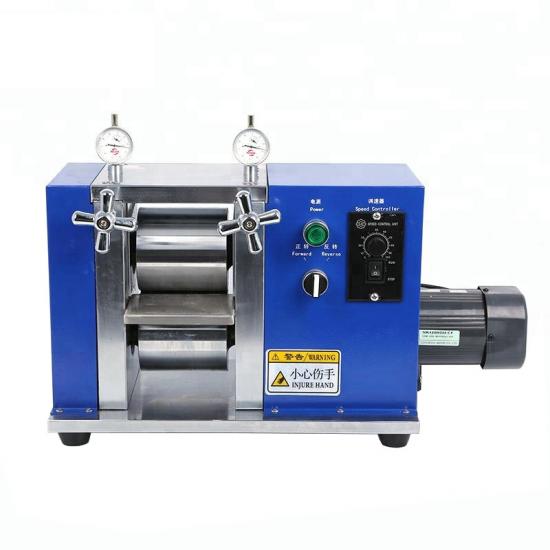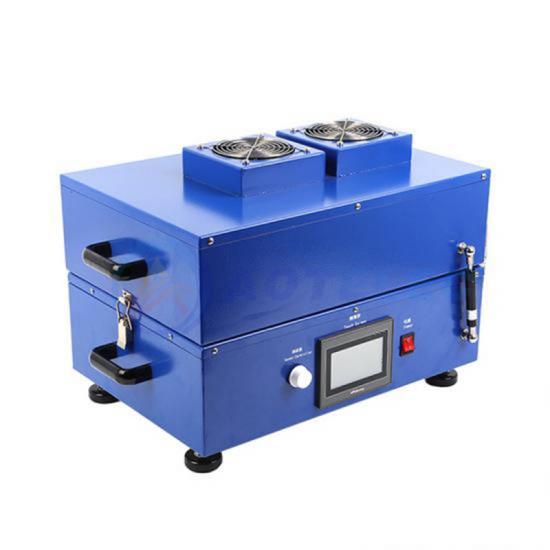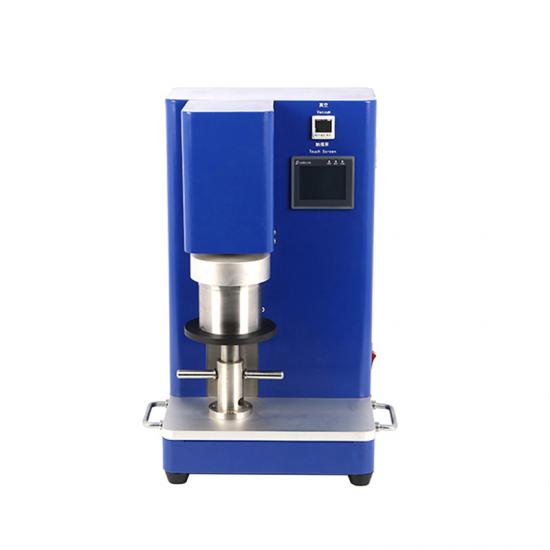
AOT-AFA-SD300 narrow slit extrusion coating machine, roll to roll method, continuous and intermittent coating, width 300mm, coating width 50-260mm, optional extrusion coating die head, coating surface density accuracy ± 1.5%, 150 ℃ hot air oven, suitable for 8-30 μ m thick metal substrates, optional NMP treatment and feeding device.
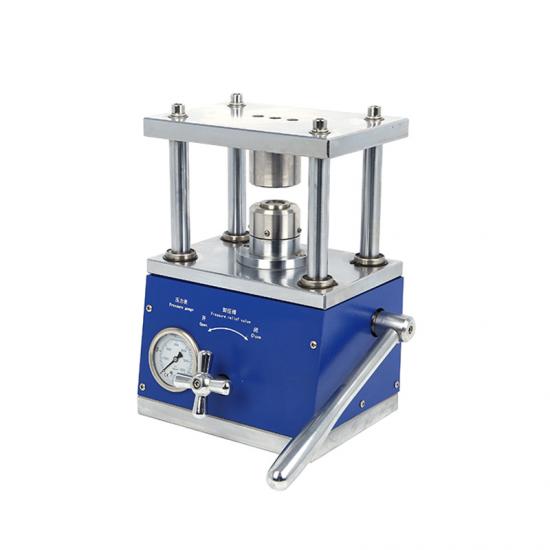
The M-ISS-B16 solid-state button type battery device is a specialized testing device for solid-state batteries. The fixture consists of an upper pressure rod, a lower pressure rod, a cavity, and a seal. The fixture can be used with our MSK-YLJ-MA5T electric press for solid-state powder pressing, or with our S-MS-P500 solid-state battery pressure te1
AOT-SF-500M battery slurry filtration device is an essential key equipment in the battery production process, mainly used to remove impurities and particles from the slurry, ensuring the consistency and performance of the battery
MSK-AFA-MC400 is a versatile R2R coating system that can adopt various coating heads such as reverse comma blade, Doctor Blade, Slot Die, and Micro Gravure and Tape Casting. An optional length, single or multiple zones convection drying oven with independent temperature programming is implemented for efficient slurry curing.
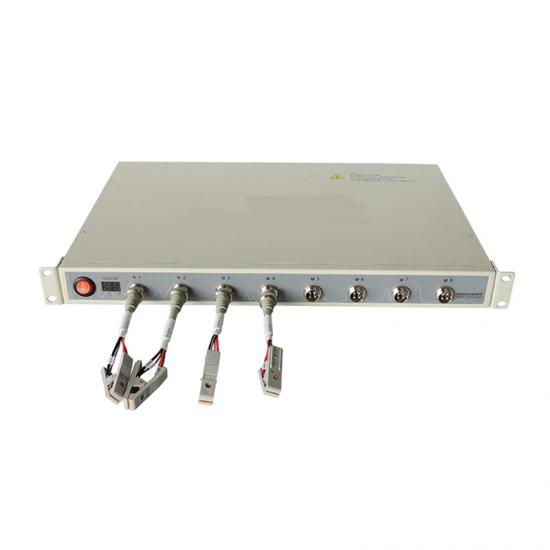
Mainly used for battery material research, high-precision test, pulse charge-discharge test, direct current internal resistance (DCIR) test, cycle life (Cycle Life) test.
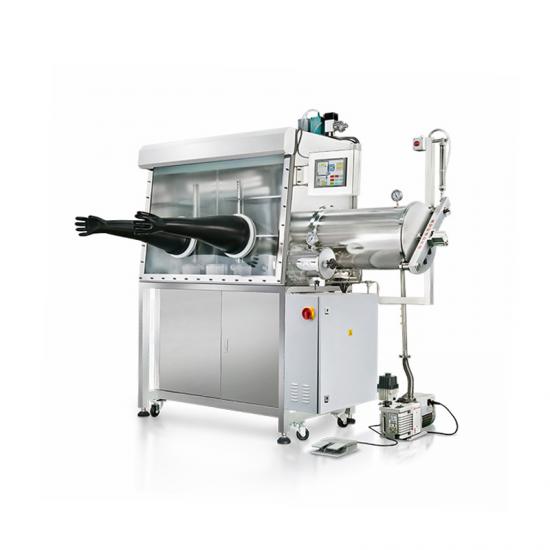
AOT-MSK-T-10 is a compact disc cutter with quality sliding rail with ball bearing for precision cutting. It can be easily placed into a glove box with a transition chamber diameter larger than 230mm.
Lithium battery PE separator is made of polypropylene as the base material and forms a uniform microporous structure through processes such as biaxial stretching.
Lithium battery PE separator (polypropylene separator) is a porous film prepared from polypropylene as raw material through melt extrusion, biaxial stretching and chemical/physical pore-forming processes.
AOT-MSK330A is mainly used for welding the cylinder core's negative terminal (Nickel tab) to the bottom of the cylinder case. It can also be applied to welding processes for nickel hydrogen, nickel chromium, and various lithium-ion batteries.