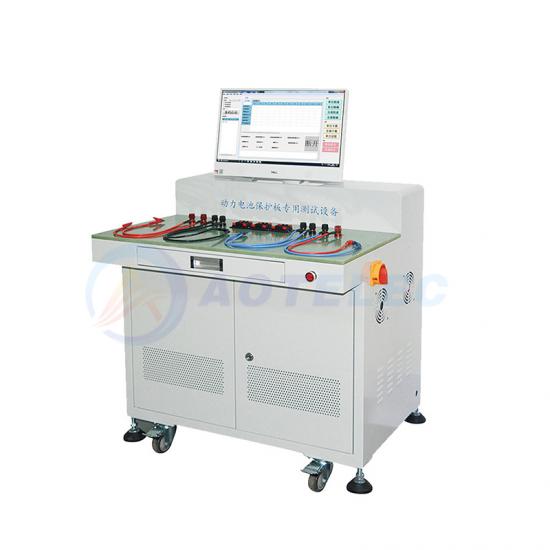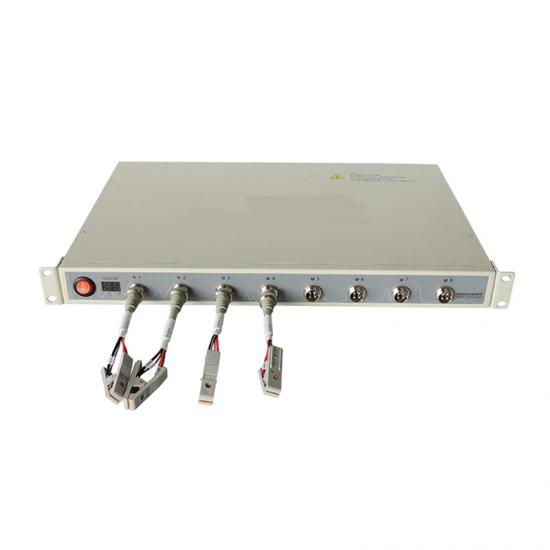
AOT-PBTS is a 1-24 series high precision and high current multi-function protection board tester. It is mainly used to detect whether the various functional indicators of the power battery protection board are within the parameter range. It is suitable for power battery protection board testing of protection board manufacturers and power battery ma1
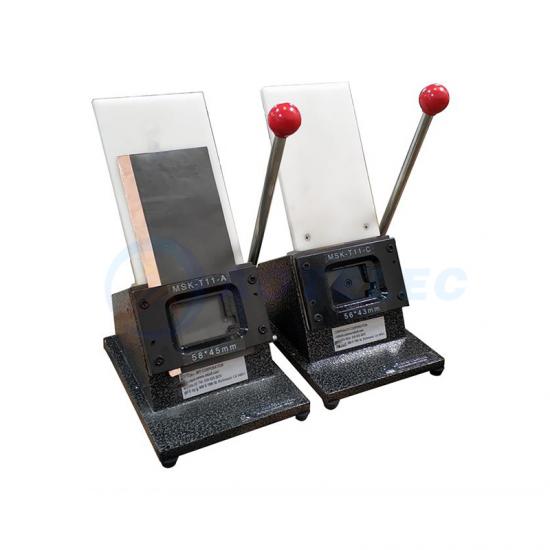
AOT-MSK-T11 is a manual die-cutting knife set for cutting cathode and anode electrode of pouch batteries. Can be put into the glove box for operation. One for cutting 57 mm x 44 mm cathode electrode sheets and the other for cutting 58 mm x 45 mm anode electrode sheets.
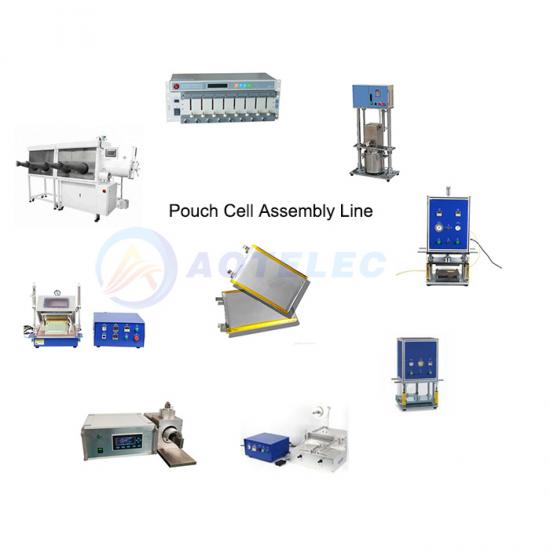
AOT-MSK-700 is customized and manually pouch cell case forming machine with Max/ 600 x 600 mm pouch die , used for making large pouch cell in battery research .
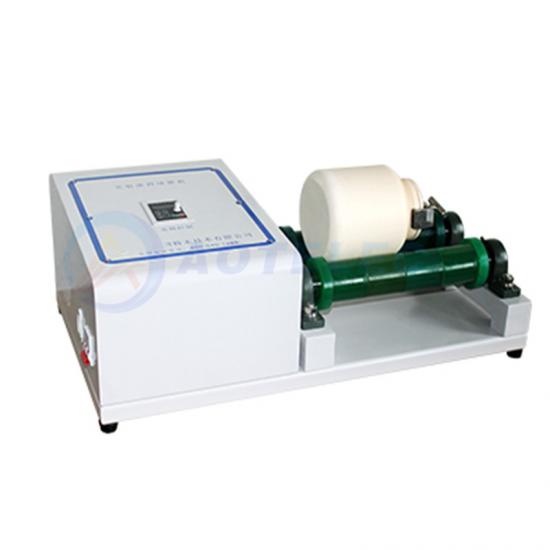
The experimental drum ball mill is an ultra-fine grinding and mixing equipment for laboratory and small batch production. The machine is compact in structure, convenient in operation, high in work efficiency and uniform in grinding particle size. It is the preferred equipment for scientific research, teaching, testing and production. It can be wide1
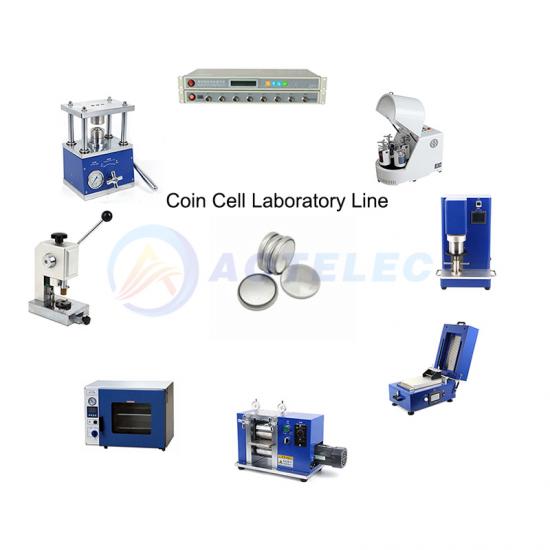
This is a simple lab line for coin cell research, If you don't have much budget, we also have another lab line with low cost by changing some small equipment.
AOT company has a full range of lithium ion battery products series:lithium ion battery(Al shell,polymer,cylindrical,energy storage,bike motive,Electric Vehicle,PACK battery),material,equipment.We provide you with a technology improvement program!
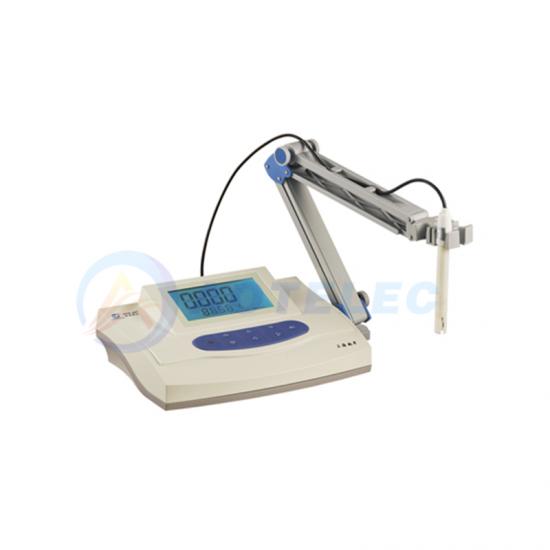
DDS-307 series conductivity meter is rapid determination of water quality. Mainly used in environmental testing, water quality testing, laboratory research, etc.
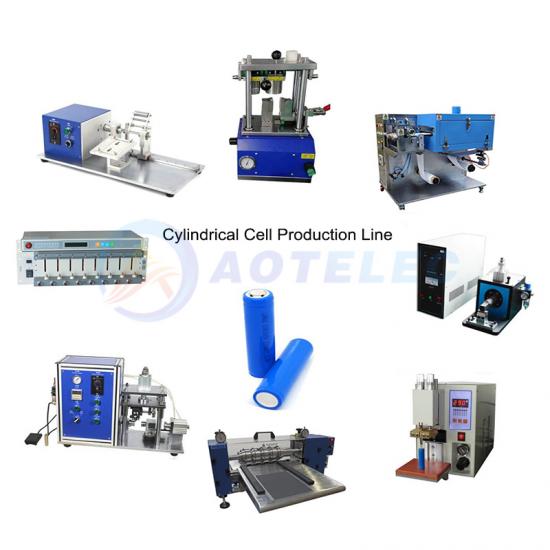
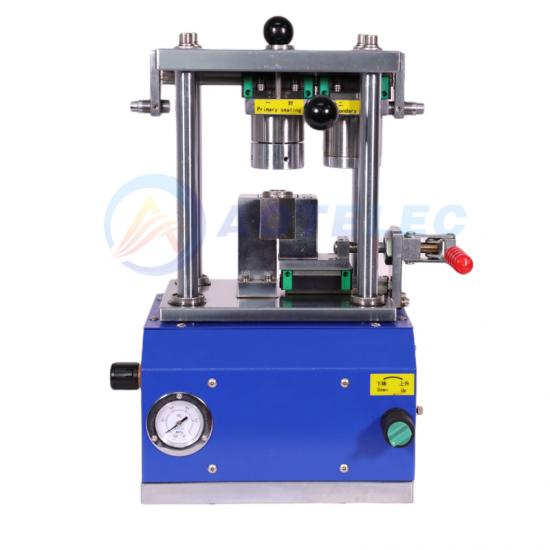
AOT-QF650 pneumatic sealing machine is mainly used for laboratory battery material research to make cylindrical batteries. Standard equipped with 18650 cylindrical battery sealing mold , other cylindrical battery sealing molds can also be selected.
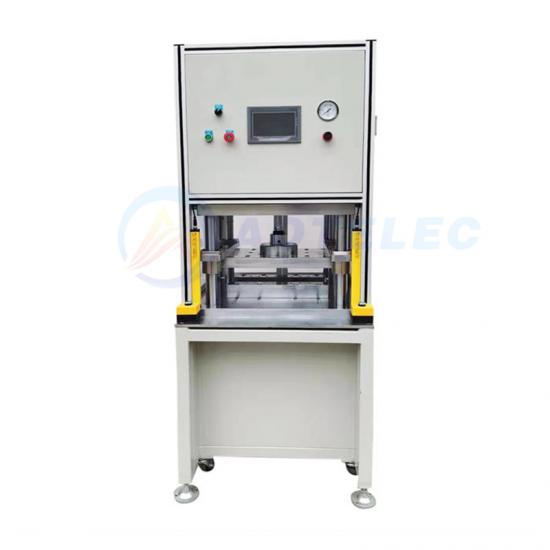
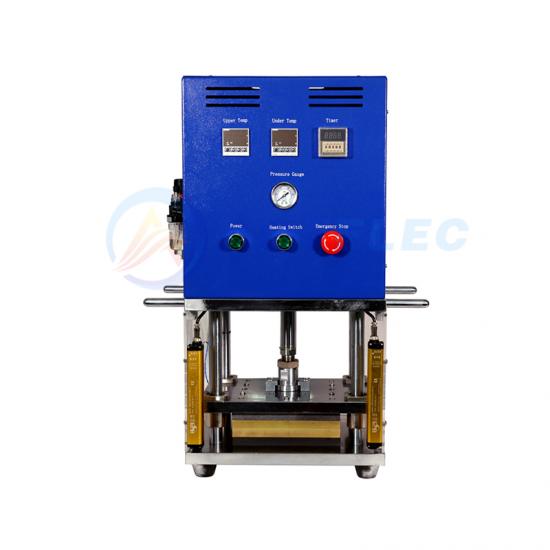
AOT-HPS-200H is mainly suitable for hot flat pressing after the battery core is wound. First, place the wound cell on the template, and shape the cell by pressing and heating, so that the thickness of the cell is consistent, the elasticity of the cell is reduced, and the short-circuit rate of the cell is reduced.